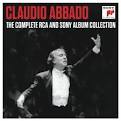
ALBUM NOTESA closer look at Claudio Abbado's album Symphonies 93 & 101 "the Clock"
Symphonies 93 & 101 "the Clock"- Album Overview
Claudio Abbado's album "Symphonies 93 & 101 'the Clock'" was released in 1990 under the Deutsche Grammophon label. The album features two symphonies by the classical composer Joseph Haydn: Symphony No. 93 in D major and Symphony No. 101 in D major, known as the "Clock." Recorded with the Vienna Philharmonic, a prominent orchestra with which Abbado had a long-standing relationship, the album captures the essence of the Classical era through its rich orchestration and dynamic interpretations. Abbado, renowned for his insightful interpretations and meticulous attention to detail, brings an invigorating energy to these works that showcases both the humor and complexity of Haydn's compositions.
The recording took place at the renowned Musikverein in Vienna, a venue celebrated for its exceptional acoustics. Abbado's collaboration with the Vienna Philharmonic is noteworthy, as it reflects a deep musical synergy that has been cultivated over years of shared performances. The album includes two major works, with the "Clock" symphony distinguished by its ticking motif in the second movement, which is a hallmark of Haydn's playful style. The album has been praised for its clarity and balance, allowing listeners to appreciate the intricate interplay between the strings, woodwinds, and brass sections.
Musically, this album holds significant cultural importance as it not only exemplifies Haydn's contribution to the symphonic form but also celebrates Abbado's legacy as a conductor who bridged the gap between traditional interpretations and contemporary sensibilities. The album has received acclaim for its artistic merit and has contributed to the ongoing appreciation of Haydn's work in modern classical music circles.
Review
Abbado's interpretation of Haydn's symphonies on this album is marked by a refined elegance and a deep understanding of the emotional undercurrents inherent in the music. The Vienna Philharmonic's performance is nothing short of stellar, with each section delivering passages that are both technically precise and expressively rich. The opening movement of Symphony No. 93 sets a buoyant tone, characterized by its lively rhythms and melodic charm. Abbado’s pacing is particularly notable; he allows the music to breathe while maintaining an exhilarating momentum.
In Symphony No. 101, the "Clock," the famous second movement is executed with a delightful playfulness that captures the whimsical nature of Haydn's intent. Abbado’s ability to harness the orchestra's full potential is evident, creating a soundscape that is both vibrant and nuanced. The dynamics are expertly handled, with crescendos that swell dramatically yet feel organic rather than forced. The overall sound is polished and clear, with a warm resonance that makes the listening experience intimate and engaging.
However, while the album shines in its orchestral execution, it might feel somewhat reserved for those who prefer a more exuberant interpretation of Haydn. Abbado's approach is contemplative, focusing on the subtleties rather than overt dramatization, which may not resonate with every listener.
Highlights
- Expert orchestral performance by the Vienna Philharmonic
- Claudio Abbado's insightful and nuanced conducting style
- Captivating interpretation of the "Clock" motif in Symphony No. 101
Weak points
- Some may find the interpretation lacks exuberance
- Limited range of emotional extremes in certain passages
- Not all listeners may appreciate the focus on subtlety over drama
Overall evaluation
Claudio Abbado's "Symphonies 93 & 101 'the Clock'" is a masterful representation of Haydn's timeless compositions, showcasing the synergy between conductor and orchestra. While it may not appeal to those seeking more vigorous interpretations, it stands as a testament to Abbado's artistry and insight.
Personal rating: 8/10